Explore different camel breeds, their origins, characteristics, and nutritional benefits.
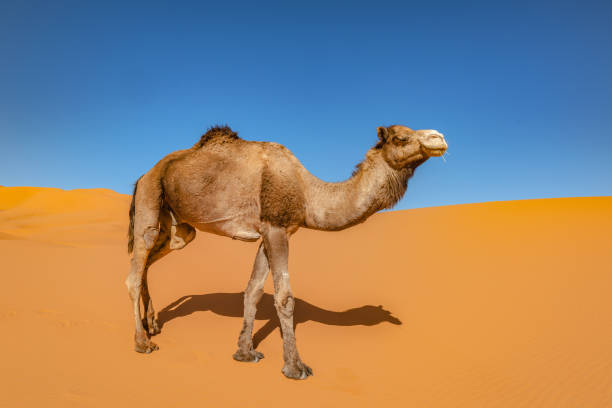
Dromedary Camel
Origin: Middle East, North Africa
Height: 180–230 cm
Aptitude: Riding, transport, milk production
Characteristics: Single hump, adapted to desert climates, high endurance
Water & Energy: Stores fat in hump, conserves water efficiently
Meat Nutrition (per 100g): 120 kcal, Protein 19g, Fat 4.2g, Iron 3.8mg
Milk (per 100ml): Fat 3.5g, Protein 3.0g, Lactose 4.5g, Calcium 120mg
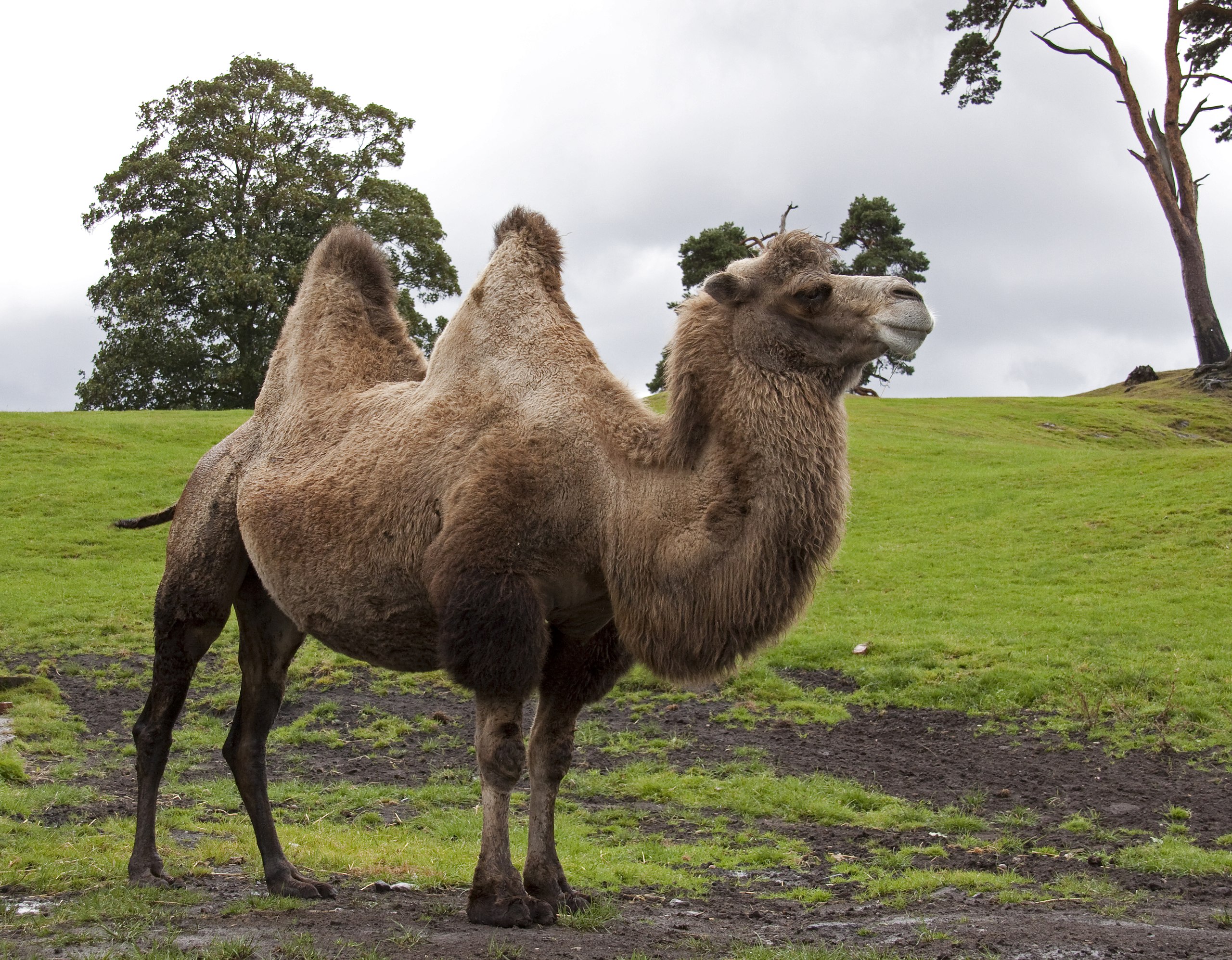
Bactrian Camel
Origin: Central Asia
Height: 170–230 cm
Aptitude: Riding, heavy transport
Characteristics: Two humps, thick fur, adapted to cold climates
Water & Energy: Stores fat in two humps, survives in extreme cold
Meat Nutrition (per 100g): 135 kcal, Protein 21g, Fat 5.1g, Iron 4.5mg
Milk (per 100ml): Fat 4.8g, Protein 4.0g, Lactose 4.2g, Calcium 130mg
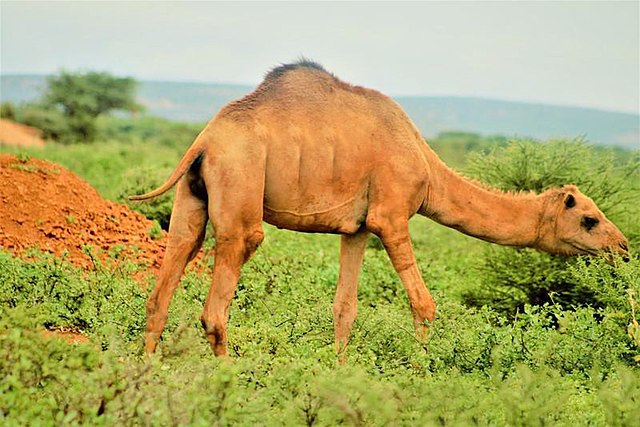
Somali Camel
Origin: Somalia
Height: 170–220 cm
Aptitude: Milk production, pastoral use
Characteristics: Hardy, long legs, produces high-quality milk
Water & Energy: Adapts to drought using stored fat
Meat Nutrition (per 100g): 110 kcal, Protein 18g, Fat 3.9g, Iron 3.5mg
Milk (per 100ml): Fat 2.9g, Protein 3.4g, Lactose 4.8g, Calcium 110mg

Sudanese Camel
Origin: Sudan
Height: 160–220 cm
Aptitude: Racing, milk production
Characteristics: Slender build, fast, high milk yield
Water & Energy: Efficient water retention, performs in hot climates
Meat Nutrition (per 100g): 125 kcal, Protein 20g, Fat 4.8g, Iron 4.2mg
Milk (per 100ml): Fat 3.2g, Protein 3.1g, Lactose 4.7g, Calcium 115mg
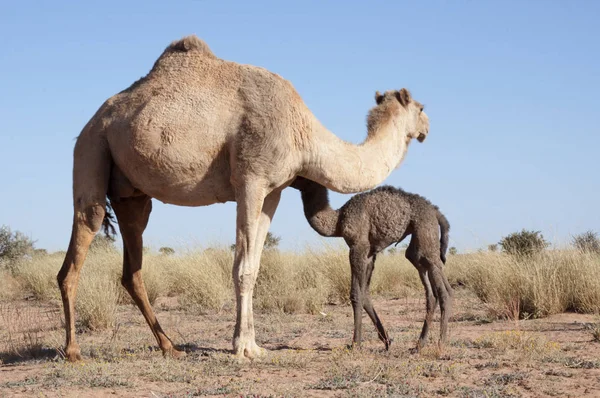
Maghrebi Camel
Origin: North Africa
Height: 180–230 cm
Aptitude: Transport, meat production
Characteristics: Robust, good for meat and work
Water & Energy: Stores fat for long desert journeys
Meat Nutrition (per 100g): 130 kcal, Protein 22g, Fat 4.5g, Iron 4.0mg
Milk (per 100ml): Fat 4.0g, Protein 3.3g, Lactose 4.6g, Calcium 125mg